Here’s something interesting – electronic notaries can charge up to $25 to notarize a document, while traditional notaries might ask for as little as $2 to administer an oath or affirmation.
The notarization process is a vital step that deserves clear understanding. A notary public verifies the identity of everyone signing and will give a confirmation that they’re signing freely without any pressure. This extra layer of security matters whether you’re closing on a property or setting up a power of attorney.
The sort of thing i love about notarized documents is their distinct types. You’ll find three simple categories: acknowledgements, jurats, and copy certifications. Each type serves a unique purpose, and picking the right one helps legalize your document properly in Portland.
This piece covers everything about notarized documents. You’ll learn the meaning of notarization, how to prepare, where to find qualified notaries, and remote online options. On top of that, it explains why courts accept notarized documents as self-authenticating evidence. This small but significant step protects your important transactions legally.
Understand What a Notarized Document Is
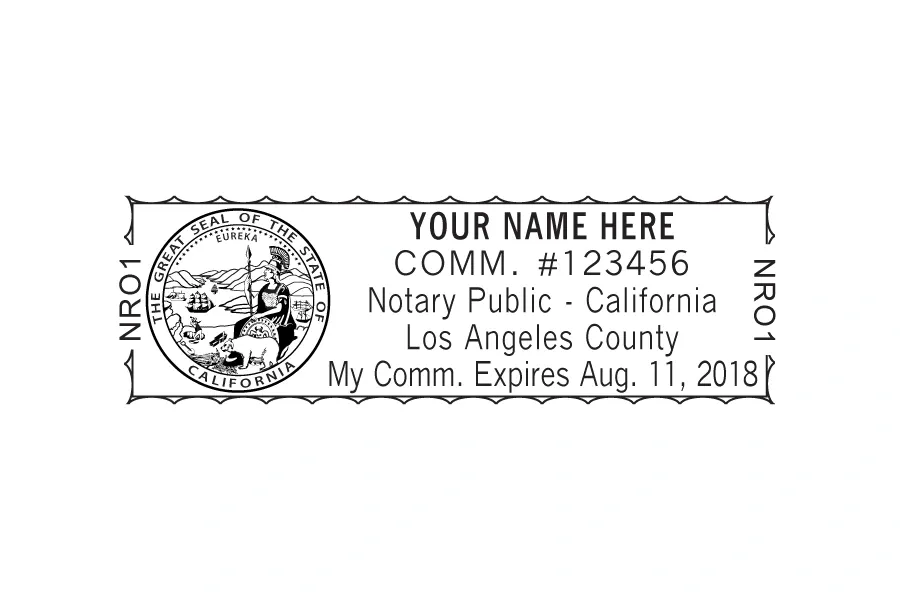
A notarized document acts as the life-blood of trust in our legal system. The meaning of a “notarized” document helps explain why this process remains vital in today’s digital world.
What does notarized mean?
Notarization helps prevent fraud and ensures document authenticity and trustworthiness. A notary public certifies signatures and verifies their authenticity. The notary serves as an unbiased witness to the signing process.
Three key elements make up the process:
- Verification of the signer’s identity
- Confirmation that signers act freely without pressure
- Making sure signers grasp the document’s meaning and importance
The notary adds their official seal and signature to create a record of the transaction. Americans get about 1.25 billion documents notarized yearly, showing how common this verification method has become.
What is a notarized document used for?
Notarized documents handle crucial financial or legal matters that need trust between parties. These typically include:
- Real estate transactions (deeds, mortgages)
- Powers of attorney
- Wills and trusts
- Advanced healthcare directives
- Vehicle title transfers
- Affidavits and sworn statements
Yes, it is required by law to notarize many of these documents to make them valid or recordable. Even without legal requirements, notarization builds confidence that intended parties signed the document and helps defend it against legal challenges.
Why notarization is important
We used notarization to stop fraud. Notaries help prevent forgery and protect vulnerable people from exploitation by checking identity, willing participation, and awareness of content. This basic process stops countless forged, forced, and incompetent signings each day.
Notarization provides legal protection too. Courts accept notarized documents as self-authenticating, meaning they need no extra proof of authenticity. This saves time and money by eliminating the need for witnesses to appear in court.
The practice started in Ancient Rome, where trusted people called “Notarius” recorded agreements for those unable to read or write. Notaries today continue building trust and preventing disputes in our complex world.
Prepare for the Notarization Process
You can save time and avoid frustration by preparing properly before visiting a notary public. A smooth notarization experience awaits when you follow these steps.
Know what type of notarization you need
You must determine which specific notarial act your document requires before seeking notarization. The three main types include:
- Acknowledgments – Declaring you willingly signed a document
- Jurats – Swearing or affirming the document’s contents are true
- Copy Certifications – Confirming a copy matches an original document (not allowed in all states)
The notary cannot choose the type of notarization for you—this decision rests with you as the signer. You should contact the document drafter or receiving agency if you need guidance.
Make sure your document is complete
Your document must be 100% complete before notarization. Empty lines or blank spaces could make it vulnerable to fraud. To cite an instance, blank interest rate fields on loan documents can create serious problems for borrowers. Notaries must refuse incomplete documents in many states. Note that notaries cannot advise you on legal effects or complete any part except the notarial certificate wording.
Bring valid identification
Verifying your identity is the notary’s main duty. Notaries typically check state-issued identification such as:
- Driver’s licenses
- State-issued identification cards
- U.S. passports
- Military IDs
Some states allow “credible identifying witnesses” who know you personally and have acceptable identification if you lack proper ID.
Ensure names match on ID and document
Your identification’s name should match the name on the document being notarized. Name changes from marriage, divorce, or other reasons can create differences. The notary might not proceed if there’s a major difference—like “Mary Smith” on your ID versus “Mary Smith-Williams” on your document—unless you provide alternate acceptable identification matching the document name.
How to Notarize a Document Step-by-Step

A document’s legal notarization requires several specific steps.
Find a qualified notary public
You can find authorized notary publics at banks, law offices, UPS stores, libraries, or government buildings. Online directories like FindaNotary.com offer mobile notaries who will come to your location. The state government must officially commission all notaries.
Have all signers present
Each person needing signature notarization must appear in person before the notary. Documents might need multiple signatures, but signers don’t need to be there at the same time. Notaries can authenticate signatures from anyone present without waiting for other parties.
Be aware and willing to sign
Notaries evaluate your understanding of the document and ensure voluntary signing. They might ask simple questions about the document’s purpose. The law requires notaries to refuse notarization if they suspect coercion or confusion. States like Florida, Georgia, and Texas give notaries explicit authority to decline service if they believe someone faces pressure to sign.
Pay the required fee
Each state sets different notary fees based on document type. A standard notarization costs about $15 per signature. Travel or after-hours services might add extra charges.
Remote and Electronic Notarization Explained

Technology has revolutionized traditional notarization by creating digital alternatives to in-person appearances.
What is remote online notarization (RON)?
Remote online notarization (RON) lets people notarize documents electronically. Signers meet with commissioned notaries through audio-visual technology instead of meeting in person. The process keeps all essential elements of traditional notarization and adds extra security features. More than 37 states have now enacted permanent RON laws.
How electronic notarization works
Electronic notarization is different from RON. Signers must still meet the notary in person with electronic notarization, though documents get signed and notarized digitally. RON follows these steps:
- The signer connects with the notary through a secure video session
- The notary verifies identity using knowledge-based authentication questions and analyzes government IDs
- The document receives electronic signatures while the notary witnesses virtually
- The notary adds their digital seal and signature
Papering out: turning digital into physical
“Papering-out” transforms electronically executed and notarized documents into physical form when eRecording isn’t available. This method requires printing the electronic document, adding a certification statement, and submitting it to record.
Security and legal acceptance of RON
RON platforms use advanced security measures that include tamper-evident technology, multi-factor authentication, and recorded sessions. States permitting RON consider these notarizations legally binding, and they receive nationwide recognition through interstate acceptance.
Conclusion
Notarization protects the authenticity and integrity of important documents in our legal system. This piece explores the simple aspects of document notarization and guides you through both traditional and modern methods in Portland.
The process might look straightforward, but proper preparation makes all the difference. You should complete your document, ensure your identification matches your document name, and know which type of notarization you need before meeting a notary. These steps will save time and help you avoid frustration during your appointment.
On top of that, technology has reshaped the scene of notarization. Remote online notarization gives you a convenient alternative to in-person appearances while keeping the same legal protections. People with mobility challenges or packed schedules find this option particularly useful.
The cost of notarization is nowhere near the value of legal protection it provides. Notarized documents are self-authenticating evidence in court that can save you time and money if disputes come up later.
Note that notaries are impartial witnesses to your signature. They confirm your identity and make sure you want to sign. This time-tested practice stops countless instances of fraud and coercion every day, making it worth your time.
You can choose between traditional in-person notarization or newer electronic methods. A good grasp of these simple concepts will help you handle the process with confidence and get the legal protection your important documents need.